
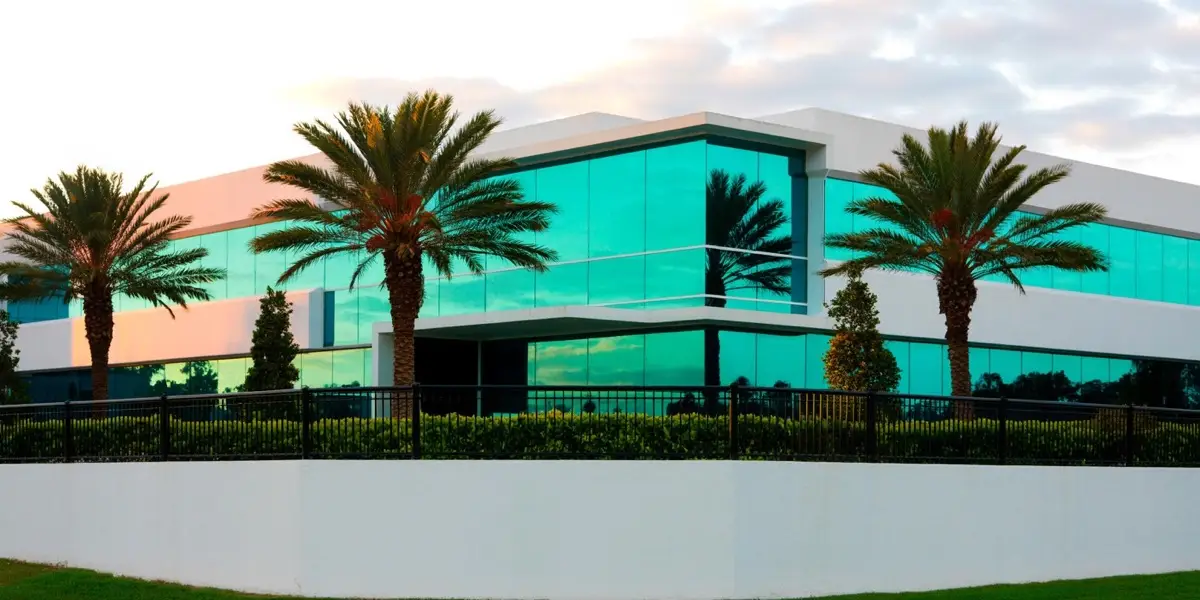
Recent announcements, including Amazon’s development of a new large-scale fulfillment facility in Los Angeles, underscore a broader market trend: sustained and growing demand for industrial real estate in key logistics hubs. These expansions highlight how e-commerce and distribution-driven users continue to prioritize strategic markets, offering important insights for investors and developers evaluating industrial property acquisitions, development opportunities, and commercial property financing strategies.
Market Analysis: What This Expansion Really Signals
Los Angeles continues to attract significant industrial investment due to its strategic location, population density, and access to global trade infrastructure. When major e-commerce operators such as Amazon commit to large-scale fulfillment and distribution facilities in this market, it reinforces what lenders and investors already understand: industrial space in core logistics hubs has become essential infrastructure supporting modern commerce.
The broader takeaway extends beyond any single company. Large logistics users are increasingly prioritizing proximity to ports, transportation corridors, and dense consumer bases to optimize speed and efficiency. This sustained demand profile supports long-term occupancy, predictable cash flow, and strong underwriting fundamentals for industrial properties throughout the region, making Los Angeles a compelling market for industrial investment and financing.
Why Los Angeles Remains a Key Industrial Market
Strategic Trade and Distribution Hub
Los Angeles is home to some of the busiest ports in the United States, serving as a primary gateway for international trade and global supply chains. The region’s port infrastructure, combined with extensive rail networks, interstate highways, and proximity to major consumer markets, makes it one of the most strategically important logistics hubs in the country.
This concentration of transportation and distribution infrastructure drives consistent demand for warehousing, distribution, and logistics facilities throughout the greater Los Angeles area. Properties that can support high-volume throughput, efficient inventory movement, and last-mile delivery operations are particularly well positioned, as businesses continue to prioritize speed, reliability, and proximity to end consumers.
For investors and developers, this infrastructure advantage supports long-term occupancy, stable tenant demand, and sustained relevance of industrial assets. As global trade flows and domestic distribution needs continue to evolve, Los Angeles remains a market where industrial properties play a critical role in keeping goods moving efficiently, reinforcing their value within a commercial real estate investment and financing strategy.
Employment Growth and Economic Spillover
Large industrial developments frequently generate significant job creation across a wide range of roles, from warehouse operations and logistics management to administration and technical support. This employment growth attracts new residents to surrounding areas and supports population expansion, which in turn increases demand for housing, retail, office, and other commercial services.
As workforce density grows, secondary economic activity follows, strengthening local tax bases and encouraging additional infrastructure investment. These ripple effects contribute to more resilient local economies and enhance the long-term viability of industrial properties. For investors, this dynamic reinforces the value of industrial assets not only as standalone income-producing properties, but also as catalysts for broader commercial growth.
Within a diversified commercial real estate portfolio, industrial properties benefit from this interconnected demand, offering stability, durability, and long-term relevance in markets experiencing sustained economic and population growth.
Implications for Commercial Property Financing
From a financing perspective, sustained industrial demand strengthens lender confidence and expands financing opportunities for qualified projects. Investors and developers who understand how to position industrial assets for today’s logistics-driven economy are better equipped to secure favorable loan terms.
Key considerations include:
Location and access to transportation infrastructure
Functional design and adaptability of the property
Tenant demand drivers and market absorption trends
Cash flow stability and long-term use viability
These factors are central to how industrial loans are structured and underwritten.
The Role of a Strong Financing Strategy
As industrial markets evolve, financing structures must evolve with them. Investors are best served by working with lenders who understand both traditional industrial assets and modern logistics-focused use cases, including warehouses, distribution centers, and flex industrial properties.
At Standout Commercial Loans, we offer a range of industrial and warehouse financing solutions, including No Income Verification (NIV) loan programs for qualified borrowers. These options allow investors to focus on the strength of the property and the deal itself, rather than solely on personal income documentation.
Flexible loan structures, efficient underwriting, and market-specific insight are critical to executing successful industrial transactions in competitive markets like Los Angeles. By aligning the right financing strategy with current market demand, investors can move decisively and position their assets for long-term success.
Looking Ahead
Large-scale fulfillment expansions in Los Angeles are not just isolated corporate decisions. They are indicators of a broader shift in how goods move, where inventory is stored, and how industrial real estate supports modern commerce.
For investors and developers, these trends highlight the importance of aligning property strategy with market demand and securing financing that supports long-term growth. Understanding these signals early can create meaningful advantages in acquisition, development, and refinancing decisions.
Partner with Standout Commercial Loans to structure a financing strategy that positions your industrial investment for long-term success.