
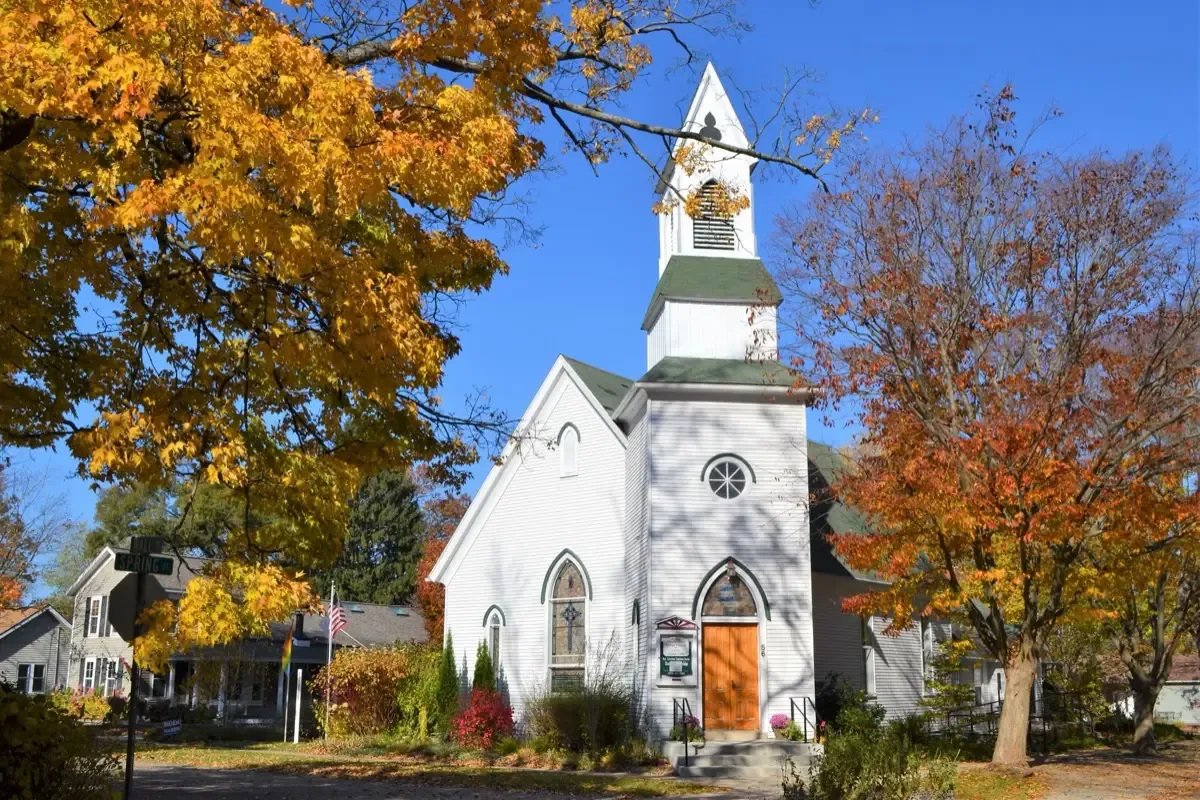
A church property deal rarely moves on a tidy timeline. A congregation may outgrow its sanctuary faster than expected, find a school building that fits perfectly, or face a roof replacement that cannot wait for another fundraising cycle. That is why understanding church financing loan options matters early, before a purchase contract is signed or a project starts running behind schedule.
For many churches, the challenge is not whether a need is real. It is whether the financing structure matches the church’s cash flow, leadership model, and property plan. Some borrowers fit conventional lending well. Others need more flexible terms, a shorter closing window, or underwriting that looks beyond a simple income formula. The right loan depends on the property, the purpose, and how quickly the church needs to move.
How church financing loan options usually break down
Most church loans fall into a few practical categories: acquisition, refinance, renovation, construction, and bridge financing. The loan type should match the exact use of funds. That sounds obvious, but it is where many churches lose time. A lender that is comfortable with buying an existing worship facility may not be the right fit for a ground-up expansion or a time-sensitive transition into a former retail or industrial building.
Acquisition financing is used when a church is purchasing property. That may be an existing church campus, a mixed-use property, office space, land, or a nontraditional building that will be converted for worship and ministry use. Refinance financing is used when the goal is to lower payments, restructure debt, pull cash out for improvements, or replace an upcoming balloon payment. Construction and renovation financing are more specialized because the lender has to evaluate both the current property and the future value after improvements are complete.
Church borrowers are often surprised to learn that commercial real estate loan structures can be more flexible than standard residential-style borrowing. In many cases, churches can benefit from the same broad categories used in other commercial transactions, including Conventional Commercial Loans, Commercial Refinance, and bridge-style private lending when speed matters.
Conventional loans for churches
A conventional commercial mortgage is often the best fit when the church has stable finances, a strong giving history, and enough time for a more detailed underwriting process. These loans may offer better long-term pricing and more predictable payment structures than short-term alternatives.
This route works well for established congregations purchasing a permanent facility, refinancing existing debt, or acquiring income-producing property connected to ministry operations. The trade-off is that conventional lenders usually expect more documentation. They may want several years of financial statements, attendance trends, bank statements, organizational documents, and clear evidence of repayment ability.
For churches with strong financials and a straightforward property type, conventional financing can provide a durable solution. For more detail on this type of structure, many borrowers start by comparing it against Conventional Commercial Loans and then weighing whether the timing and documentation requirements fit the deal.
SBA-backed financing and when it fits
Some churches also explore SBA Loans, especially when the transaction includes owner-occupied real estate tied to a broader operating entity or a qualifying use case. This is not the right solution for every faith-based borrower, and eligibility can be more nuanced than many expect.
Where SBA-backed financing can help is on longer amortization, lower down payment scenarios, and owner-user real estate acquisitions. But it tends to involve a detailed process and may not be ideal for deals with tight deadlines, unusual property histories, or documentation gaps. If a church needs certainty of execution within a compressed timeframe, another loan program may make more sense even if the headline rate is higher.
That is one of the recurring themes with church financing loan options: the cheapest money is not always the best money if the process threatens the transaction itself.
Bridge and hard money loans for fast closings
When a church needs to close quickly, a bank-style process can become a problem. Maybe the property is in demand, the seller wants a short escrow, or the church is buying before its current property sells. In those situations, short-term financing can create room to act now and refinance later.
Hard Money Loans and other bridge structures are often used for speed, flexibility, and asset-based underwriting. Standout offers its hard money program in Georgia only. A lender may focus more heavily on the property value, equity position, and exit strategy than on the same level of income documentation required by a conventional institution.
These loans are not typically the lowest-cost option, so they should be used with a clear plan. If the church expects improved occupancy, a successful capital campaign, sale proceeds from another property, or a later refinance into permanent debt, bridge financing can be practical. If there is no clear exit, the short-term solution can become expensive.
This approach is especially useful when a congregation is acquiring a nontraditional facility that needs light improvements before it can qualify for longer-term financing. In those cases, speed has real value.
Refinance options for churches under pressure or preparing to grow
A refinance is not just about lowering the rate. Churches refinance for several reasons, and each one points to a different structure. One congregation may need to replace a looming maturity date. Another may want to combine multiple debts into one payment. Another may need to pull equity out for classroom expansion, parking improvements, or deferred maintenance.
Commercial Refinance can help churches stabilize payments and reposition their property for the next stage of growth. It can also make sense when an older loan has restrictive terms or variable-rate exposure that no longer matches the church’s budget.
Cash-out refinancing can be useful, but it should be handled carefully. Pulling equity from a property may help fund improvements that support attendance and ministry operations, but it also increases leverage. The right move depends on whether the project is expected to strengthen long-term stability, not just solve a short-term budget issue.
Renovation, adaptive reuse, and nontraditional church properties
A growing number of churches buy properties that were not originally built for worship use. Former schools, retail boxes, warehouses, and community buildings can offer lower entry costs or better locations than traditional sanctuaries. But they also raise underwriting questions.
Lenders will want to understand zoning, renovation scope, contractor plans, and whether the finished property will support the church’s operations. A church moving into a Warehouse/Industrial building, for example, may have a very workable plan, but the financing has to reflect both the current condition and the post-renovation use.
That is where flexible underwriting matters. A lender that understands specialized property transitions can often structure a loan around the actual business plan rather than rejecting the deal simply because the building falls outside a narrow box. Some borrowers may also consider No Doc Loans or low-doc alternatives when documentation is limited but equity and property strength are compelling.
What lenders look at when underwriting church loans
Church lending is not identical to investor lending or owner-occupied business lending, but the core questions are familiar. The lender wants to know whether the property makes sense, whether the borrower can support the debt, and whether there is a reasonable fallback if the deal changes.
Financial review often includes donations and giving consistency, operating statements, cash reserves, leadership stability, property appraisal, and occupancy or attendance trends. Some lenders also look closely at how much of the church’s income comes from a small group of donors, because concentrated revenue can create repayment risk.
Property type also matters. An established church campus in a stable market may be easier to finance than a highly customized facility in a remote area. The same is true for condition. Deferred maintenance, code issues, or incomplete renovations can push a church out of a conventional box and into a more flexible short-term structure.
If the church has credit issues, prior payment stress, or limited financial documentation, that does not always end the conversation. It may simply change which program is realistic.
Choosing the right church financing loan options
The best fit usually comes down to four questions. How fast does the church need to close? How much documentation is available? Is the property turnkey or does it need work? And what is the long-term plan after closing?
If the property is clean, the finances are strong, and timing is reasonable, a conventional structure may be the smart move. If the church needs speed or the building falls outside bank preferences, bridge or private financing may be more effective. If existing debt is the problem, refinancing may create the flexibility needed to move forward.
Borrowers who compare church financing loan options the right way do not just compare rates. They compare timeline, closing certainty, down payment, documentation burden, prepayment terms, and whether the lender can actually handle a church transaction without slowing it down. That is often where an experienced financing partner adds the most value.
Standout Commercial Loans works with borrowers who need practical answers and help finding lending partners whose loan structures fit the real transaction rather than a generic checklist. For churches navigating growth, property transitions, or refinancing pressure, that kind of guidance can make the difference between missing an opportunity and closing with confidence.
The best time to sort out financing is before the property decision becomes urgent. A clear lending strategy gives church leaders room to focus on ministry, while the numbers are built to support it.