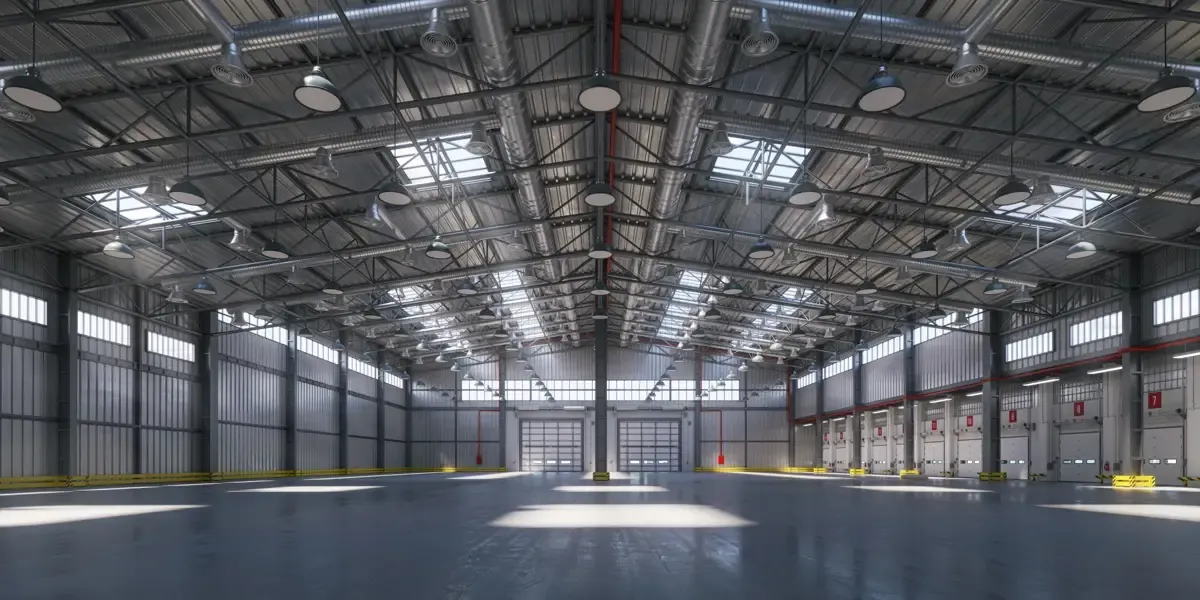

Commercial real estate fix & flips have long been associated with residential real estate, but more investors are turning to the commercial market as a way to pursue higher returns. Whether it’s retail spaces, office buildings, warehouses, or mixed-use developments, flipping commercial real estate requires a sharper eye, bigger budgets, and a longer timeline—but the payoff can be significant.
Why Commercial Fix & Flips?
Unlike single-family homes, commercial properties often carry higher risk but also the potential for much greater rewards. A well-executed flip can be profitable, especially when transforming underperforming assets into modern, income-generating spaces.
Key advantages include:
- Larger Profit Margins: A single successful commercial flip can produce the same profit as multiple residential flips.
- Business Tenant Demand: Updated properties in strong locations attract long-term tenants like restaurants, gyms, and professional services.
- Value-Add Opportunities: Small improvements such as energy-efficient upgrades, better layouts, or cosmetic facelifts can raise property value.
The Fix & Flip Process for Commercial Properties
- Finding the Right Deal
- Look for undervalued properties in emerging neighborhoods.
- Pay attention to vacancies, outdated interiors, or poor management—all signs of opportunity.
- Financing the Project
- Commercial fix & flips often require specialized loans, since banks can be cautious with short-term investment projects. Private lenders offer tailored fix & flip financing that provides flexibility for acquisition, renovation, and resale. Standout Loans places these loans with its lending partners.
- Renovating with Strategy
- Focus on improvements that directly increase property value.
- Upgrades to lobbies, bathrooms, ADA compliance, and energy efficiency not only raise appeal but also reduce future operating costs for buyers.
- Exit Strategies
- Flip for Profit: Sell the renovated property at a higher value.
- Refinance & Hold: Keep the property, refinance at a higher valuation, and enjoy rental income.
- Lease & Sell: Secure tenants before selling to increase property value and appeal to investors.
Risks to Watch Out For
- Market Cycles: Commercial real estate values are heavily tied to economic trends.
- Renovation Costs: Underestimating repair expenses is the #1 cause of lost profits.
- Financing Hurdles: Not all lenders understand the fix & flip model for commercial properties—choosing the right funding partner is crucial.
Final Thoughts
Commercial real estate fix & flips aren’t for the faint of heart, but with the right financing, smart renovations, and a clear exit plan, they can be profitable. If you’re ready to scale up from residential investing or expand your portfolio, commercial flips may be your next big opportunity.
Thinking about your first commercial fix & flip? Explore financing options with Standout Loans.