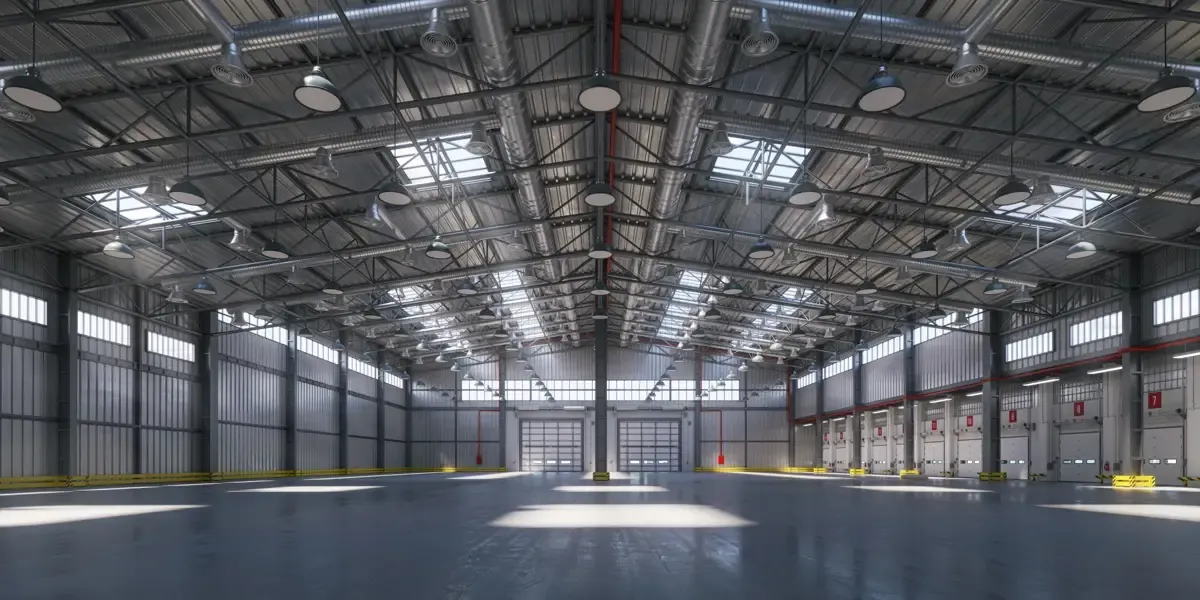

If you are buying a building for your own business, the financing conversation changes fast. An owner occupied commercial mortgage is built for borrowers who plan to operate from the property, not simply lease it out as an investment. That difference affects down payment, underwriting, loan options, and how quickly you can move when the right property hits the market.
For many business owners, buying instead of renting is not just a real estate decision. It is a cash flow decision, a control decision, and sometimes a growth decision. If you are tired of rent increases, short lease terms, or a landlord who cannot keep up with your business needs, owning your building can put you in a stronger position. The key is choosing financing that fits how your business actually operates.
What is an owner occupied commercial mortgage?
An owner occupied commercial mortgage is a loan used to purchase or refinance a commercial property that your business will occupy. In most cases, lenders expect your business to use at least 51% of the building. That standard matters because owner occupied properties are usually underwritten differently than pure investment properties.
This type of loan is common for office buildings, retail spaces, medical offices, warehouses, mixed-use properties, and specialized facilities where the borrower is also the operator. A contractor buying a shop, a physician buying a clinic, or a manufacturer purchasing a small industrial building may all be good candidates.
That owner-user status can open the door to more favorable structures than you might get on an investor loan. It can also bring more documentation, especially if the lender wants to understand your business income, operating history, and ability to support the debt.
Why business owners choose to own
The biggest reason is control. When you own the property, you are not dealing with lease renewals, landlord restrictions, or uncertainty around future occupancy costs. You can build out the space for your operation and make long-term decisions without asking for permission.
There is also a financial angle. A fixed-rate or predictable loan payment may be easier to plan around than rising rent. Over time, you may build equity instead of paying a landlord. For some borrowers, buying the real estate also creates a path to separate business operations from property ownership later on.
That said, ownership is not automatically the better move. It depends on how long you expect to stay, how much capital you want tied up in real estate, and whether your business needs flexibility more than stability. A fast-growing company that may outgrow the property in two years has a different profile than an established operator planning to stay for a decade.
How lenders evaluate an owner occupied commercial mortgage
Lenders usually start with two questions. Is the property truly owner occupied, and can the business afford the loan?
From there, they look at your credit profile, time in business, cash flow, available liquidity, and the strength of the property itself. In many cases, the property does not carry the deal on its own. The business has to make sense too.
Here are the factors that often matter most.
Occupancy percentage
Most programs require the business to occupy at least 51% of the property. Some loan products may require more. If you are buying a building with extra suites to lease out, that can still work, but the owner-occupied portion needs to meet the lender’s threshold.
Business financials
Expect lenders to review tax returns, profit and loss statements, balance sheets, and bank statements. Strong revenue helps, but consistency matters too. A business with uneven income may still qualify, although flexible underwriting can become more important in that scenario.
Down payment and liquidity
Down payments often range from 10% to 25%, depending on the loan program, property type, borrower strength, and intended use. Many lenders also want to see reserves after closing. If putting too much cash into the building would strain operations, the loan structure needs to reflect that reality.
Property type
A standard office condo is easier to finance than a highly specialized building. Properties tied to a single use, such as an auto service facility or religious property, may require lenders who understand that niche. Borrowers buying specialized real estate often benefit from working with lenders active in sectors like Auto Mechanic Shops, Church Loans, Assisted Living, and Warehouse/Industrial.
Common loan options for owner-users
There is no single best loan for every owner-user. The right fit depends on timing, documentation, cash available, and how long you plan to hold the property.
Conventional financing
A bank or conventional lender may be a strong fit for established borrowers with solid financials, good credit, and time to complete a full underwriting process. These loans can offer attractive rates, but approval standards are often tighter. If you are exploring this route, Conventional Commercial Loans are often the starting point.
SBA loans
For many small business owners, SBA Loans are one of the most practical ways to finance an owner occupied property. They can offer lower down payments and longer repayment terms than some conventional products. That can improve monthly cash flow, which matters when you are balancing real estate costs with payroll, inventory, and growth.
The trade-off is process. SBA loans can take more documentation and may not be ideal when a seller wants to close fast.
Alternative and bridge financing
When timing is tight or the file does not fit a bank’s box, alternative structures can make the deal work. A borrower may need short-term Business Funding to cover related costs, Hard Money Loans for a time-sensitive acquisition (Standout offers hard money in Georgia only), or No Doc Loans when traditional income documentation is limited. These are not always long-term solutions, but they can create a path to secure the property and refinance later.
This is especially relevant when the opportunity is strong but the paperwork is messy. A lender with flexible underwriting can often structure around that more effectively than a traditional bank.
When refinancing makes sense
An owner occupied commercial mortgage is not only for purchases. Refinancing can lower payments, improve cash flow, fund expansion, or replace a maturing loan before it becomes a problem.
A refinance may make sense if your current rate is high, your balloon payment is approaching, or you want to pull equity for improvements. If your property has appreciated or your business has become stronger since the original financing, your options may be better than they were at closing. In those cases, Commercial Refinance can help reposition the property around your current needs rather than your old loan terms.
Property-specific situations matter
Not all owner occupied deals look the same. A medical office, machine shop, warehouse, and mixed-use building each come with different underwriting questions.
For example, a borrower acquiring a small industrial building may have strong business revenue but need a lender comfortable with Warehouse/Industrial use. A church buying or refinancing its own facility needs a lender who understands how religious organizations are evaluated. An operator purchasing an assisted living facility may face a combination of real estate and business underwriting that calls for a more specialized approach.
This is where speed and structure matter more than theory. A property can be a great fit for your business and still be a poor fit for the wrong lender.
How to prepare before you apply
The strongest borrowers usually do a few things before they start shopping loans. They know how much space they need, what monthly payment range works for the business, and how much cash they can realistically bring to closing without hurting operations.
It also helps to have recent business financials organized and a clear explanation of the property’s use. If you occupy 70% and lease the rest, say that upfront. If the building needs light renovation before move-in, build that into the financing conversation early. A property that needs work may call for a different solution, including short-term capital or even Fix & Flip Loans in limited scenarios where acquisition and renovation timing overlap before long-term takeout financing.
The goal is not to present a perfect file. It is to present a clear one. Lenders can solve a lot of issues when they understand the deal from the start.
Choosing the right lending partner
An owner occupied commercial mortgage should support your business, not complicate it. Rate matters, but so do speed, certainty, and a lender’s willingness to understand your operation. A slightly cheaper loan is not always the better loan if it drags on for months or falls apart because the underwriter does not understand your property type.
That is why many borrowers work with lenders that can compare multiple structures and move quickly when needed. Standout Commercial Loans is one example of a financing partner that helps business owners look beyond a single product and focus on the best path to closing.
If you are buying the building your business will grow in, the financing should match that ambition. The right loan gives you room to operate, room to plan, and fewer surprises after closing.